20 Apr 2026
How to Measure Gutter Size: A Comprehensive Guide to Monsoon-Proofing Your Roof
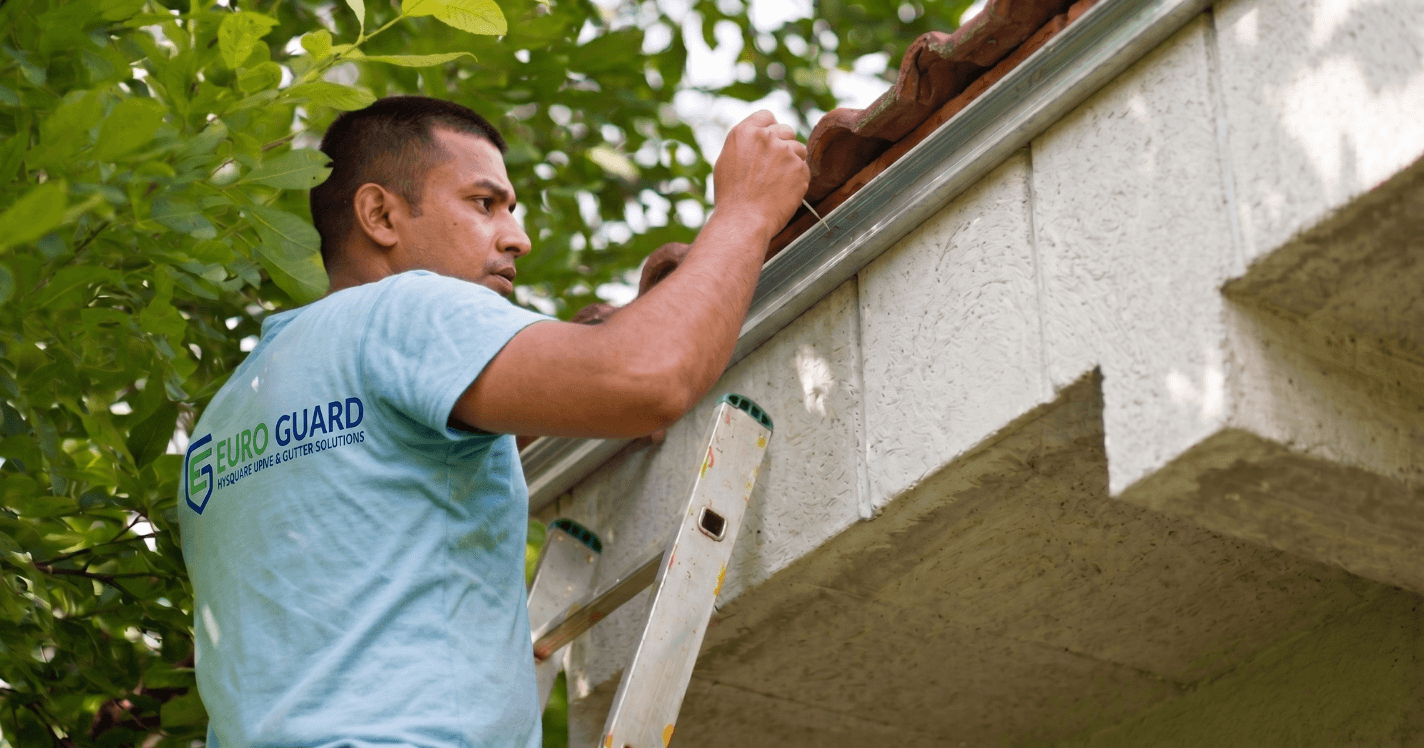
Choosing the right gutter isn’t just about installation; it’s also about how well it performs. A properly sized rainwater gutter ensures that roof runoff is directed safely away from your property without overflowing or leaking.
An incorrectly sized gutter can lead to water damage to walls and foundations, as well as erosion around the structure. Getting the size right helps maintain proper drainage and protects the overall integrity of your property.
This guide walks you through how to measure gutter size accurately, helping you choose a system that performs efficiently in all weather conditions.
What is Gutter Size?
Gutter size refers to the width of the gutter and its capacity to carry rainwater efficiently. While the width is the visible part, what really matters is how much water the gutter can handle during rainfall. The right size ensures that rainwater flows smoothly from the roof into the drainage system without spilling over the edges. If the capacity is too low for your roof and local rainfall conditions, even a well-installed gutter system can fail. In residential construction, there are three standard sizes you'll typically encounter:- 4-inch gutters: Used for small structures and less common in modern homes
- 5-inch gutters: The traditional residential standard
- 6-inch gutters: Increasingly preferred for larger roofs and heavy rainfall regions
Key Factors that Affect Gutter Size
Before you start measuring, it’s important to understand what drives gutter sizing. Here are four key factors that influence how gutters should be sized:- Roof Area (Catchment Size): The size of your roof directly determines how much rainwater your gutter system needs to handle. The larger your roof, the more rainwater your gutters need to handle. Even a slight increase in roof area can significantly impact the volume of runoff, especially during heavy showers. This is why accurate measurement of the roof’s surface area is the starting point for proper gutter sizing.
- Roof Pitch (Slope): Roof pitch refers to how steep your roof is, and it plays a crucial role in how quickly rainwater flows into the gutters. Steeper roofs allow water to run off faster, leading to a sudden surge of water entering the gutter system. This increased flow rate requires gutters with higher capacity, even if the overall roof area isn’t very large.
- Rainfall Intensity (Regional Impact): Rainfall intensity varies by location and has a major influence on gutter performance. Areas that experience heavy or intense rainfall within short periods, such as monsoon-prone regions, require gutters that can handle high volumes of water quickly. Ignoring this factor can lead to frequent overflow, even if the gutter size seems adequate under normal conditions.
- Roof Material and Runoff Speed: The type of roofing material affects how fast water moves across the surface. Smooth materials like metal sheets or tiles allow water to flow rapidly into the gutters, increasing peak runoff. In contrast, rougher materials may slow down the flow slightly. Faster runoff means the gutter system must be designed to handle sudden and concentrated water discharge efficiently.
Step-by-Step Guide to Measure Gutter Size
Getting the gutter size right starts with understanding how your roof handles rainwater. Here is a step-by-step guide that helps you measure gutter size in a simple and practical way.1. Measure Roof Area
Begin by calculating the total area of your roof, as this determines how much rainwater will be collected. For simple roof shapes, measure the length and width of each section and multiply them to get the area. Add all sections together for the total roof size.2. Determine Roof Pitch
Roof pitch refers to the steepness or slope of the roof, which affects how quickly water flows into the gutters. A steeper roof allows water to run off faster, increasing the load on the gutter system. A simple way to estimate pitch is by measuring how much the roof rises vertically over a fixed horizontal distance. Even a basic approximation is useful, as it helps adjust the drainage requirement more accurately.3. Identify Rainfall Intensity
Understanding how much rain your area receives is critical in determining gutter size. Rainfall intensity is typically measured in inches per hour and indicates how quickly water will accumulate on your roof. In regions with heavy or seasonal rainfall, such as areas affected by monsoons, gutters need to be sized to handle sudden and intense water flow without overflowing.4. Calculate Effective Drainage Area
The effective drainage area is an adjusted value that combines your roof area with the impact of roof pitch. Steeper roofs collect a higher volume of water, including windblown rain, across their surface, which means they effectively behave like larger catchment areas during rainfall. By factoring in both size and slope using the formula below, you get a more realistic estimate of how much water your gutter system needs to manage. Formula: Effective Area = Roof Area x Pitch Factor5. Select the Right Gutter Size
Once the roof area, pitch, and rainfall intensity are assessed, you can choose a gutter size that matches your drainage needs. The goal is to ensure the gutter can carry water efficiently without overflow. For smaller roofs with moderate rainfall, a compact system may be sufficient, while larger roofs or high-rainfall regions will require higher-capacity gutters for reliable performance.Standard Gutter Sizes and Their Applications
Gutter sizes are not arbitrary; they’re designed to match different levels of water flow. Standard gutter sizes are designed to suit different roof types and rainfall conditions, so understanding where each one fits helps make a practical choice ideal for efficient and reliable rainwater management.-
4-Inch Gutters
-
5-Inch Gutters
-
6-Inch Gutters
| Gutter Size | Ideal for | Water Capacity | Key Benefits | Considerations |
| 4-inch | Smaller roofs, sheds, compact homes | Light to moderate | Compact and practical for small catchment areas with low to moderate rainfall; efficient for controlled water flow on simple roof layouts | Best applied where roof size and rainfall demand are moderate |
| 5-inch | Standard residential homes | Moderate | Versatile and widely used, balances capacity and design, suitable for most housing types | Can be paired with additional downspouts in higher rainfall zones |
| 6-inch | Large roofs, heavy rainfall regions | High | Handles significantly higher water volumes without overflow; significantly higher capacity than a 5-inch gutter; ideal for intense monsoon conditions and steep or complex roofs | Recommended wherever larger drainage capacity is required; modest cost increase over 5-inch; the preferred choice in most high-rainfall regions |
Downspout Sizing and Placement
While gutters collect rainwater from the roof, downspouts are what complete the system by carrying that water safely away from the structure. Getting their size and placement right ensures that the entire drainage setup works smoothly, without overflow or water buildup. Downspouts act as vertical channels that direct water from the gutters to the ground or a drainage outlet. Even if gutters are correctly sized, inadequate downspouts can cause water to back up and spill over. A well-designed system ensures that water flows consistently from roof to outlet without obstruction or delay.Standard Downspout Sizes
Downspouts are typically available in standard sizes such as 2x3 inches and 3x4 inches. The choice usually depends on the gutter size and the volume of water being handled. Smaller downspouts work well with compact gutter systems, while larger ones are better suited for higher-capacity gutters and heavier rainfall conditions. As important as considering the downspout sizes, it is also important to determine the number of downspouts required. The number of downspouts depends on the roof area and the length of the gutter runs. As a general approach, longer gutter sections benefit from additional downspouts to ensure water is discharged efficiently. Increasing the number of outlets helps distribute the load evenly and improves overall drainage performance, especially during heavy rain.Best Tips for Downspout Placement
Once you’ve determined the number and size of downspouts, where you place them makes all the difference. Thoughtful placement ensures smooth water flow and helps the entire system perform efficiently, especially during heavy rainfall.- Position at natural drainage points: Install downspouts where water naturally collects, typically at the ends of gutter runs or low points. This allows water to flow out easily without pooling.
- Distribute evenly across longer runs: For extended gutter lengths, spacing downspouts at regular intervals helps manage water flow more evenly and prevents overloading a single outlet.
- Avoid placing all downspouts on one side: Balancing placement across different sections of the roof improves overall drainage efficiency and reduces pressure on specific areas.
- Direct water away from the foundation: Ensure downspouts discharge water at a safe distance from the building, using extensions or drainage connections to prevent water accumulation near the base.
- Keep accessibility in mind: Place downspouts where they can be easily inspected and maintained, making cleaning and upkeep simpler over time.
Common Mistakes to Avoid When Choosing Gutters
Even with the right materials and intent, small oversights can affect how well a gutter system performs. Here are some common mistakes to avoid when choosing gutters:- Choosing undersized gutters: Choosing a gutter size without fully considering roof area or water flow can lead to frequent overflow during rain. Ensuring the size aligns with actual drainage needs makes a noticeable difference in performance.
- Ignoring rainfall intensity: Rainfall intensity plays a key role in how much water the system needs to handle. Factoring in regional weather conditions helps create a system that performs consistently, even during peak rainfall.
- Poor downspout planning: Focusing only on gutters without giving equal attention to downspouts can restrict water flow. A well-balanced system considers both the number and placement of downspouts for efficient drainage.
- Lack of maintenance: Over time, debris like leaves and dirt can reduce the system’s efficiency. Periodic cleaning and inspection help maintain smooth water flow and extend the life of the system.
Pro Tips for Better Gutter Performance
A well-sized gutter system is only part of the equation. A few practical considerations can go a long way in improving performance, extending lifespan, and ensuring consistent drainage through different weather conditions.- Maintain proper slope: Gutters should have a slight slope toward the downspouts to keep water moving smoothly. Even a small gradient helps prevent water from stagnating and ensures efficient flow during rainfall.
- Regular cleaning and inspection: Leaves, dust, and debris can gradually build up and restrict water flow. Periodic cleaning, especially before and during the rainy season, helps the system function at full capacity.
- Use high-quality materials: The material of the gutter system directly impacts its longevity and reliability. Well-made components are better equipped to handle continuous exposure to water and changing weather conditions.
- Consider professional installation: For larger or more complex roof structures, professional installation can ensure accurate sizing, proper alignment, and optimal placement, reducing the chances of future issues.
Why Choose Euroguard Hysquare
Euroguard Hysquare offers well-engineered UPVC rainwater systems designed for efficient drainage, high water-carrying capacity, and long-term durability, making them suitable for both residential and larger applications. With features like leak-resistant fittings, structured design, and easy installation, the system focuses on consistent performance while maintaining practical usability. Built to suit Indian weather conditions, these systems are designed to withstand heavy rainfall, humidity, and coastal environments, ensuring reliable performance across regions. Along with functionality, the clean design and low-maintenance features support both aesthetics and ease of upkeep over time.Final Thoughts
Measuring gutter size properly comes down to understanding how water moves across your roof and through the drainage system. Measuring the roof area that feeds into each gutter run, accounting for pitch and local rainfall, and then aligning that with the right gutter and downspout capacity creates a system that’s balanced and efficient. When these basics are in place, the system performs consistently, even during heavy rain. If you need a drainage solution you can count on through every Indian monsoon, Euroguard Hysquare is here to help. Explore our range of UPVC rainwater gutter systems designed for reliable performance across all weather conditions.Frequently Asked Questions
- How do I measure gutter size?
- What size gutter is best for my home?
- Does roof pitch affect gutter sizing?
- How many downspouts do I need?
- What happens if gutters are too small?
More Blogs
![Rainwater harvesting – given the water scarcity that India is facing, it has become the best option that you want to experiment with. But, wait, it isn’t just about experimentation. Rainwater harvesting comes with several benefits. Homeowners today are waking up to the reality of the water crisis and trying to find the ways to […]](/_next/image?url=https%3A%2F%2Fadmin.euroguardhysquare.com%2Fwp-content%2Fuploads%2F2025%2F11%2Ftop-advantages-rainwater-harvesting.webp&w=3840&q=100)


Get in touch with us
Phone
1800 833 6675 