26 Mar 2026
Rainwater Harvesting Diagram: Complete Guide with Explanation
Water was once a resource available in endless supply. It is no longer the status quo. Over half of the global population today experiences severe water scarcity. In addition, groundwater levels are declining severely.
Rainwater harvesting offers an excellent relief from all these conditions. In fact, it has become a practical, low‑energy, and time‑tested answer to this modern crisis.
This detailed guide walks you step by step through a standard rainwater harvesting diagram, following the journey of a raindrop from your rooftop to your tap or garden hose. By the end, you will understand every major component and how they connect, so you can confidently discuss or plan a system for your own home. This guide should help homeowners, sustainability enthusiasts, and DIYers looking to understand or install an RWH system.
Why Rainwater Harvesting Matter?
Global Water & Home Use- Nearly half of the world’s population faces severe water scarcity for at least part of the year.
- Outdoor use, especially lawn and landscape irrigation, can account for around one‑third of residential water use in many regions, totaling billions of gallons per day.
- Rainwater harvesting can dramatically cut outdoor potable water use and lower utility bills.
Environmental benefits
Imagine a typical rainy day. Most of the water rushes off roofs, pavements, and streets into storm drains. It often carries oil, trash, fertilizers, and sediments into rivers and coastal waters. This stormwater runoff is a major cause of urban flooding and waterway pollution. We can collect this rainwater in cisterns, barrels, and recharge pits. This will help allow more of it to soak into the ground instead of overwhelming drains and channels. This reduces localized flooding, erosion, and pollution, and helps replenish groundwater aquifers over time.Economic and policy advantages
The harvested rainwater can replace a significant share of the water you would otherwise buy from your utility. This will help directly lower your monthly bills. Moreover, the rainwater harvesting systems work on gravity and a simple pumping mechanism. That would mean they need less energy. Many governments worldwide recognise these benefits and are promoting rainwater harvesting. States like Tamil Nadu have been making every attempt to mandate rainwater harvesting for buildings.The Complete Rainwater Harvesting Diagram Explained
The basic element of every rainwater harvesting establishment follows the same principle. The rain falls on a surface. It is guided through a conveyance system, cleaned, and stored. Then it is delivered to a point of use. Rainwater harvesting is typically defined as the process of collecting, storing, conveying, and, if necessary, purifying rainwater from rooftops or other catchments for later use.Breakdown of Key Components (The Journey of a Raindrop)
Here is a complete breakdown of the different key components of a rainwater harvesting system.Catchment Area (Roof) – Where the Story Begins
In a rainwater harvesting diagram, the first labelled element is the catchment area. Under idea conditions, this is your roof. By definition, the catchment area is the area that receives direct rainfall and serves as the starting point for the entire system. In certain cases, the catchment area also includes terraces, courtyards, or paved grounds. It may be noted that the roof material determines the quality of the water collected and further processed.- Metal roofs – Galvanized steel, coated metal, and standing seam are considered the best for rainwater harvesting. In fact, if you want to use the water for drinking, a metal roof is an excellent pick.
- Clay or concrete tiles – The roof works best for non-potable drinking purposes. Small particles may flake off and require effective filtration.
- Asphalt shingles – least preferred. This is because they are likely to release a small amount of organic compounds into water. It is advisable to use the harvested rainwater for landscape irrigation, car washing, or other non‑drinking applications unless you install higher‑end filtration and testing.
Conveyance System – Gutters and Downspouts
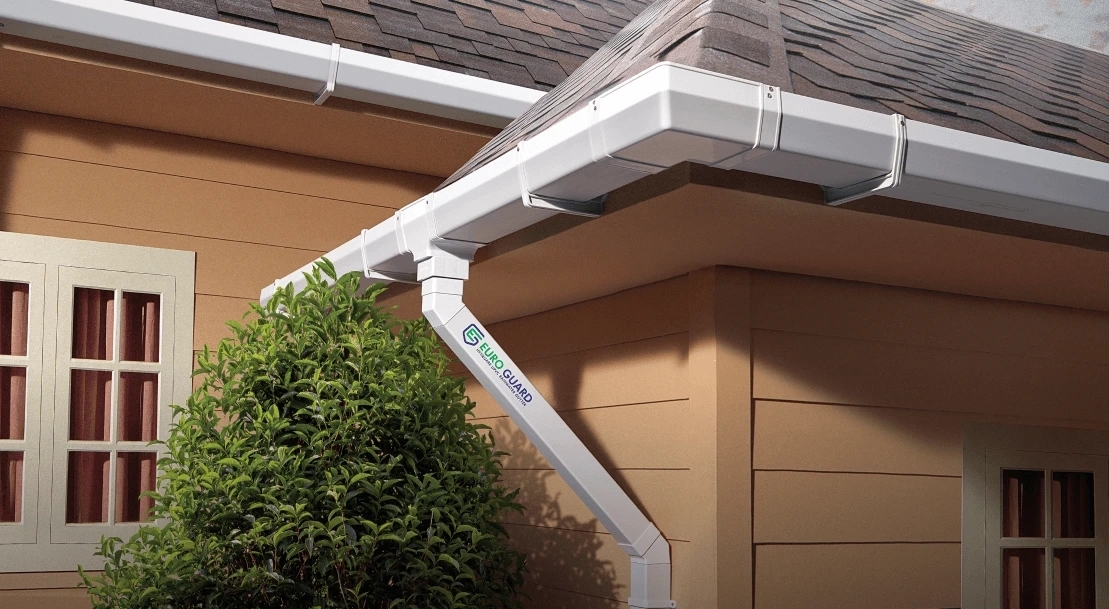
The water from the roof is directed to the gutters and downspouts. In other words, this can be considered to be the transportation network for your collected water. This includes gutters that run along the eaves, followed by downspouts that lead to filters and the storage tank. It is advisable to focus on a few key downspouts to ensure that water transport is at appropriate levels. A few design tips include- Proper sizing – Undersized gutters can lead to overflows during heavy rains. On the other hand, oversized gutters cost more and look quite bulky. The sizing of the gutters should be based on your local maximum rainfall intensity and roof area.
- Smooth flow – The conveyance system should have a good slope. This will help in enabling a consistent flow. This can also prevent the settling of debris, such as leaves and twigs.
Leaf Screens and Roof Washers – First Line of Defense
Before the water from your rooftop reaches the storage tank, it should be properly cleaned. The leaf screens and roof washers help in better achieving this requirement.- Leaf screens - These are simple wire or plastic meshes placed at gutter outlets or in‑line boxes. They stop leaves, twigs, and larger particles from entering the piping.
- Roof washers - They are also called coarse filters. These can be boxes or chambers with screens and settling space where debris can drop out before water moves onward.
The First Flush Diverter – Keeping the Dirtiest Water Out
This is the most important element of a rainwater harvesting system. It is a vertical standpipe or side chamber connected to the downpipe before the water reaches the main tank. The working principle of the First Flush Diverter is simple. During dry spells, your roof may collect debris such as dust, bird droppings, pollen, and other contaminants. When it rains, the first few minutes of runoff carry a disproportionately high concentration of this pollution. This is exactly what we call “first flush.” Here we go with the working of a First Flush Diverter -- As rain begins, water flows into the diverter chamber. That fills it with the contaminated first flush.
- A simple mechanism then seals the diverter once it is full. This often includes a floating ball, flap, or valve.
- Once sealed, cleaner water from the continuing rainfall bypasses the diverter and flows into the main tank.
- After the rain, the diverter can slowly drain through a small drain or be emptied manually, ready for the next event.
Storage Tank (Cistern) – Heart of the System
The storage tank helps you use the collected water. It is essential to consider the right material for the tank. The most common tank materials would be –- Polyethylene (plastic) tanks: They are lightweight, relatively inexpensive, and available in many sizes. These tanks are easy to install for above‑ground applications.
- Concrete tanks: These tanks are highly durable and suitable for large underground cisterns. They can also help buffer pH and keep stored water cool.
- Galvanized steel tanks: These tanks are robust and visually appealing in some architectural styles. They are typically used in combination with internal liners to ensure water quality.
- Above‑ground tanks - These are simpler to install, easier to inspect, and usually cheaper. However, they can be visually prominent and more vulnerable to temperature swings
- Underground cisterns – They help save your space and keep water cool. These tanks are also protected from UV light. But they require excavation, structural design for soil loads, and more complex access for maintenance.
Overflow Pipe – Planning for the Rainy Day
An important part of the rainwater harvesting diagram is the overflow pipe. When the cistern reaches its full capacity during a big storm, excess water must have a safe place to go. The overflow pipe provides an option for this. You can direct the overflow pipe to any of the following –- A rain garden or vegetated swale that can absorb and slow the extra flow.
- A groundwater recharge pit, percolation trench, or soakaway that helps replenish aquifers
- A conventional stormwater drain, if no infiltration option is possible, ideally with erosion control at the outlet.
Filtration, Treatment, and Pump
The filtration and pumps are reused for directing the water collected in the tank to the usage points. If you are using the water for non-potable purposes, you can use a simple filtration option.- Sediment filters (cartridge or sand media) remove fine particles and grit.
- Strainers at pumps or hose outlets prevent blockages.
- Multi‑stage filtration: A sequence of cartridges removes particles and improves taste and odor. A few good examples are 5‑micron sediment filters followed by 0.5‑micron carbon filters.
- Disinfection: Ultraviolet (UV) light is commonly used to inactivate bacteria and viruses. You may also use a small residual chlorine level to maintain microbiological safety in the distribution pipes.
- Optional point‑of‑use filters: Additional carbon filters at taps can further polish the water. They can help remove any remaining chlorine taste.
Case Studies & Real-World Success
Fine, we have discussed the typical rainwater harvesting system diagram and found what it includes. But a few real-world examples can help you get an idea of what you can get from rainwater harvesting.Case Study 1: The Bullitt Center, Seattle, USA
The Bullitt Center in Seattle is known to be the cleanest commercial building in the world. The primary reason for this reputation is the use of rainwater harvesting. The building’s parapet roof captures rainfall and channels it via downspouts to a 56,000‑gallon concrete cistern in the basement. With this arrangement, 100% of the building’s water needs are met. These demands include drinking, washing, and more.Case Study 2: Chennai and Tamil Nadu, India – Policy‑Level Impact
If you want an example of rainwater harvesting at the policy level, Chennai should be a perfect example. In 2001, Tamil Nadu became the first Indian state to make rooftop rainwater harvesting compulsory for all buildings. Follow‑up studies using Central Ground Water Board data showed significant improvements in groundwater levels in the years after implementation. Chennai saw groundwater levels rise by up to 50% in some areas within around five years of the mandate. Brad Lancaster, noted author of Rainwater Harvesting for Drylands and Beyond, captures the deeper philosophy of RWH with the phrase: “Plant the rain before you plant a tree.” This reminds us that mechanical systems are only one side of the picture. The best option is to make attempts to recharge the groundwater.Is Rainwater Harvesting Legal?
That should be the primary question for many DIY enthusiasts. Is it legally allowed to collect the rainwater? In most parts of the world, rainwater harvesting is not only legal but actively encouraged by governments and utilities. The initiative is encouraged through subsidies, building codes, or incentive programs. However, some regions may have strict rules governing water rights. The classic example here is Colorado. It was primarily because of the idea that capturing rain on your roof might reduce the flow available to senior downstream rights holders. But most of the laws in Colorado have now been loosened. Today, many Colorado homeowners may legally install up to two rain barrels with a combined capacity of 110 gallons. If you are in doubt, you can visit your municipal office or water utility to clarify the rules for your specific location.Conclusion
Well, the diagram above and the steps therein should have helped you understand why rainwater harvesting is a practical option. The discussion above should help you have a clear idea of the sizing, components, and legality of the rainwater harvesting system. Rainwater harvesting is not just for off‑grid cabins or experimental eco‑buildings. It is a practical, scalable strategy for ordinary urban and suburban homes. Make sure to use the right materials and components from the trusted providers. For instance, the gutters and downspouts from reputable providers like EuroGuard can help you get the best returns from your rainwater harvesting system.More Blogs
![Water – one of the most important resources. But we tend to use it without considering the repercussions. With a growing population, unpredictable rainfall, and other factors, it has become a dwindling resource. That is where rainwater harvesting becomes handy. It basically involves collecting and storing rainwater for both potable and non-potable purposes. In fact, […]](/_next/image?url=https%3A%2F%2Fadmin.euroguardhysquare.com%2Fwp-content%2Fuploads%2F2026%2F01%2FGemini_Generated_Image_b3xp7db3xp7db3xp-1-scaled.webp&w=3840&q=100)
![Roof leakage is a very common yet underestimated issue faced by homeowners. It is something that might start off as a minor inconvenience, with a few drops of water trickling down during a heavy rainstorm. But what you need to know and understand is that if the issue remains unaddressed, it could quickly escalate into […]](/_next/image?url=https%3A%2F%2Fadmin.euroguardhysquare.com%2Fwp-content%2Fuploads%2F2025%2F03%2Froof-leakage-3.webp&w=3840&q=100)

Get in touch with us
Phone
1800 833 6675 